

by Mawlana Mateen A. Khan, MD
This answer first appeared at fatwa.ca.
Question:
Could you provide an answer on the permissibility of offering laser treatments for skin diseases and Botox injections for cosmetic purposes in my medical practice, considering the advancements in laser technology, the minimal dosage and mild side effects of Botox, and the need to align these services with Islamic principles?
Answer:
In the Name of Allah, the Most Gracious, the Most Merciful.
As salāmu ‘alaykum wa rahmatullāhi wa barakātuh.
May Allah taʻālā reward you for your concern. It is only by aligning our efforts with Islamic principles that we can hope for benefit. We will first address the general rule about cosmetic procedures and then answer your question about the use of laser therapy and cosmetic botulinum toxin (often referred to as Botox).
Cosmetic Procedures in the Sharīʻah
Despite our subjective perceptions, human beings have been created in the most beautiful form. Allah taʻālā informs us, “Indeed, We have created humans in the best form.” (Surah al-Tīn 4) The Sharīʻah creates a positive mindset of gratitude and appreciation for our appearance.
The general rule in the Sharīʻah about cosmetic changes is laid out in the Quranic verse when Shayṭān promises to mislead mankind, “I will command them, whereby they shall alter the creation of Allah.” (Surah al-Nisā’ 119) Additionally, the Prophet ﷺ informed us that Allah taʻālā curses those who alter their appearance with tattoos, removing normal facial hair, creating beauty gaps in their teeth, and “those who change the appearance created by Allah taʻālā.” Thus, any alteration to the body such that it appears deceptively natural or is a permanent change is impermissible.
There are two exceptions to this rule:
- Correcting an abnormal defect to what would be considered within normal parameters for a human. For example, the removal of an extra finger or the extra joining hair in a unibrow for women.[i]
- “Cosmetic” procedures that are, in fact, medical treatments. For example, cosmetic surgery of the nose, which may improve appearances, but the intent was to alleviate breathing.
Muftī Taqī ‘Uthmānī clarified in Takmilah Fatḥ al-Mulhim:
The upshot is that any alteration done to the body, either by adding or reducing for the sake of beauty, in such a way that makes the addition or reduction permanent and appears as though it was originally created in that way, is considered a deception and a forbidden alteration. However, that by which a woman beautifies herself for (her) husband, like reddening the hands, lips, or cheeks, which does not get confused with the original creation, is not included in the prohibition according to the majority of scholars. As for the removal of an extra finger or similar; it is not considered as changing the creation of God, but rather as the removal of a defect or illness, and most scholars have permitted it, while differing with some others.[ii]
Laser Therapy
Laser therapy is safe and effective in treating various skin disorders, such as removing skin lesions and defects. Concurrent with the principles explained above, if laser therapy is used for medical purposes or removing a defect, it is permissible. It is impermissible if it is used purely for cosmetic purposes to enhance beauty beyond what is already normal.
Botulinum toxin Injections
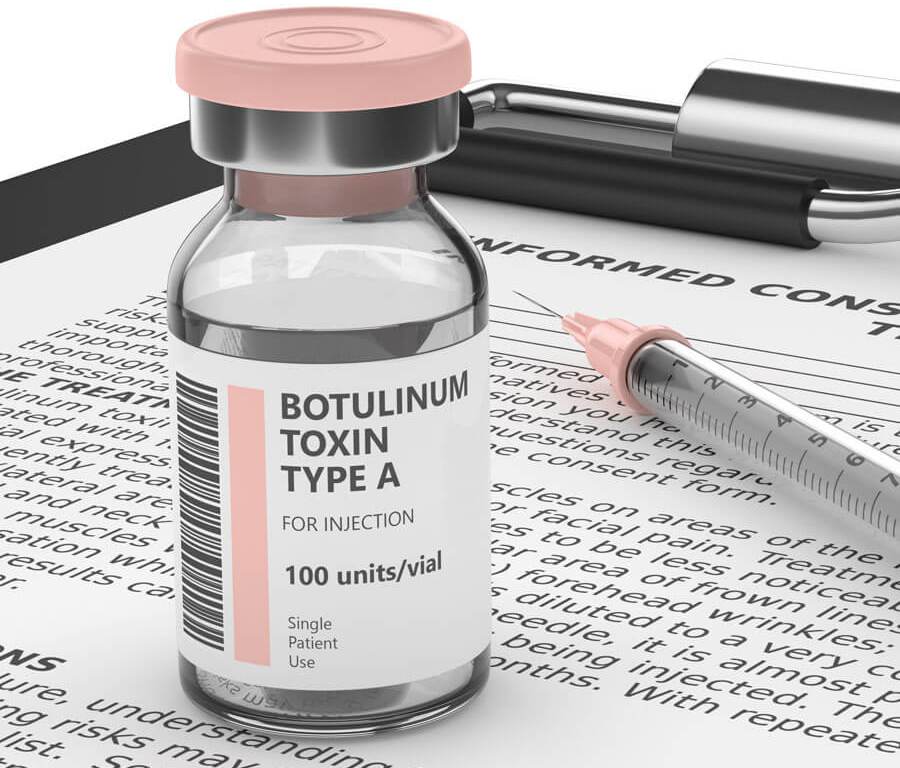
As correctly mentioned in the question, botulinum toxin when used in appropriate quantities for cosmetic purposes is safe. When side effects occur, they are generally mild, cosmetic, and relatively short-lived.[iii] There are currently four preparations of botulinum toxin approved by the FDA: Botox, Dysport, Xeomin, and Jeuveau. However, all four are administered in a preparation containing human-derived albumin.[iv] The use of human-sourced products is forbidden in the Sharīʻah, unless with a strong medical necessity and no viable alternative option exists.[v] Thus, botulinum toxin may not be administered in any other scenario.
And Allah taʻālā knows best,
[i] سنن أبي داود، أبو داود سليمان بن الأشعث، دار الرسالة العالمية (الشاملة)، باب في ربط الأسنان بالذهب، 6:287، ح4232
عن عبد الرحمن بن طرفة أن جده عرفجة بن أسعد قطع أنفه يوم الكلاب فاتخذ أنفا من ورق، فأنتن عليه، فأمره النبي – صلى الله عليه وسلم – فاتخذ أنفا من ذهب
فتاوى قاضيخان، فخر الدين حسن بن منصور الأوزجندي الفرغاني الحنفي، دار الكتب العلمية، 3:313
وفي الفتاوي إذا أراد أن يقطع إصبعا زائدة أو شيئا آخر قال أبو نصر رحمه الله تعالى إن كان الغالب على من قطع مثل ذلك الهلاك فإنه لا يفعل لأنه تعريض النفس للهلاك. وأن كان الغالب هو النجاة فهو في سعة من ذلك.
محمود الفتاوى، مكتبة محمودية، 8:123
بیماری کی وجہ سے پلاسٹک سرجری کروانا
سوال : ایک شخص کے ناک میں ایسی تکلیف ہے کہ جس کی وجہ سے اس کو نزلہ، زکام بہت جلدی ہو جاتا ہے، ڈاکٹروں کی رائے ہے کہ پلاسٹک سرجری کروا لینے کے بعد وہ تکلیف دور ہو سکتی ہے، نیز پلاسٹک سرجری سے خوبصورتی بھی مقصود ہے، تو کیا وہ شخص پلاسٹک سرجری کراسکتا ہے؟
الجواب : حامداً ومصلياً ومسلماً
خوبصورتی اور زینت کے لیے پلاسٹک سرجری کی اجازت نہیں ہے۔ البتہ نزلہ زکام کی تکلیف مستقل ہوا اور سرجری سے دور ہو سکتی ہو تو اس کی اجازت ہے، یہ فیصلہ مبتلی بہ کی دیانت پر ہے کہ وہ حقیقہ کس مقصد کے لیے سرجری کروا رہا ہے۔ فقط واللہ تعالیٰ اعلم ۔
مرقاة المفاتيح شرح مشكاة المصابيح، الملا الهروي القاري، دار الفكر (الشاملة)، 7:2819
قوله: (للحسن) : للتعليل، ويجوز أن يكون التنازع فيه بين الأفعال المذكورة، والأظهر أن يتعلق بالأخير. قال النووي: فيه إشارة إلى أن الحرام هو المفعول لطلب الحسن، أما لو احتاجت إليه لعلاج أو عيب في السن ونحوه فلا بأس به.
[ii] تكملة فتح الملهم، مفتي تقي العثماني، دار إحياء التراث العربي، 4:169
والحاصل: أن كل ما يفعل في الجسم من زيادة أو نقص من أجل الزينة بما يجعل الزيادة أو النقصان مستمرا مع الجسم وبما يبدو منه أنه كان في أصل الخلقة هكذا فإنه تلبيس و تغيير منهي عنه. وأما ما تزينت به المراة لزوجها من تحمير الأيدي، أو الشفاه او العارضين بما لا يلتبس بأصل الخلقة، فإنه ليس داخلا في النهي عند جمهور العلماء. و أما قطع الإصبع الزائدة و نحوها؛ فإنه ليس تغييرا لخلق الله، وإنه من قبيل إزالة عيب أو مرض، فأجازه أكثر العلماء خلافا لبعضهم.
[iii] Nigam PK, Nigam A. Botulinum toxin. Indian J Dermatol. 2010;55(1):8-14. doi: 10.4103/0019-5154.60343. PMID: 20418969; PMCID: PMC2856357.
Injections with botulinum toxin are generally well tolerated and side effects are few. Generalized idiosyncratic reactions are uncommon, generally mild, and transient. There can be mild injection pain and local edema, erythema, transient numbness, headache, malaise or mild nausea.
[iv] FDA Package Inserts
Botox – https://www.accessdata.fda.gov/drugsatfda_docs/label/2011/103000s5236lbl.pdf
Dysport – https://www.accessdata.fda.gov/drugsatfda_docs/label/2016/125274s107lbl.pdf
Xeomin – https://www.accessdata.fda.gov/drugsatfda_docs/label/2018/125360s073lbl.pdf
Jeuveau – https://www.accessdata.fda.gov/drugsatfda_docs/label/2019/761085s000lbl.pdf
[v] شرح السير الكبير، شمس الأئمة السرخسي، الشركة الشرقية للإعلانات، ص 128
والآدمي محترم بعد موته على ما كان عليه في حياته. فكما يحرم التداوي بشيء من الآدمي الحي إكراما له فكذلك لا يجوز التداوي بعظم الميت. قال – صلى الله عليه وسلم -: «كسر عظم الميت ككسر عظم الحي»
البحر الرائق شرح كنز الدقائق، ابن نجيم المصري، دار الكتاب الإسلامي، ج 1، ص 113
فإن المصرح به في البدائع والكافي وغيرهما بأن سن الآدمي طاهرة على ظاهر المذهب، وهو الصحيح وعلل له في البدائع بأنه لا دم فيها والمنجس هو الدم؛ ولأنه يستحيل أن تكون طاهرة من الكلب نجسة من الآدمي المكرم إلا أنه لا يجوز بيعها ويحرم الانتفاع بها احتراما للآدمي كما إذا طحن سن الآدمي مع الحنطة أو عظمه لا يباح تناول الخبز المتخذ من دقيقهما لا لكونه نجسا بل تعظيما له كي لا يصير متناولا من أجزاء الآدمي كذا هذا وكذا ذكر في المبسوط والنهاية والمعراج
الفتاوى الهندية، دار الفكر، ج 5، ص 354
وقال محمد – رحمه الله تعالى – ولا بأس بالتداوي بالعظم إذا كان عظم شاة أو بقرة أو بعير أو فرس أو غيره من الدواب إلا عظم الخنزير والآدمي فإنه يكره التداوي بهما فقد جوز التداوي بعظم ما سوى الخنزير والآدمي من الحيوانات مطلقا من غير فصل…
 muslimmed.org