

Prepared by:
Mufti Adil Farooki, MD
Mawlana Mateen Khan, MD
Dr. Ramzan Judge, PharmD
Dr Hamdi Lababidi, PharmD
Summary
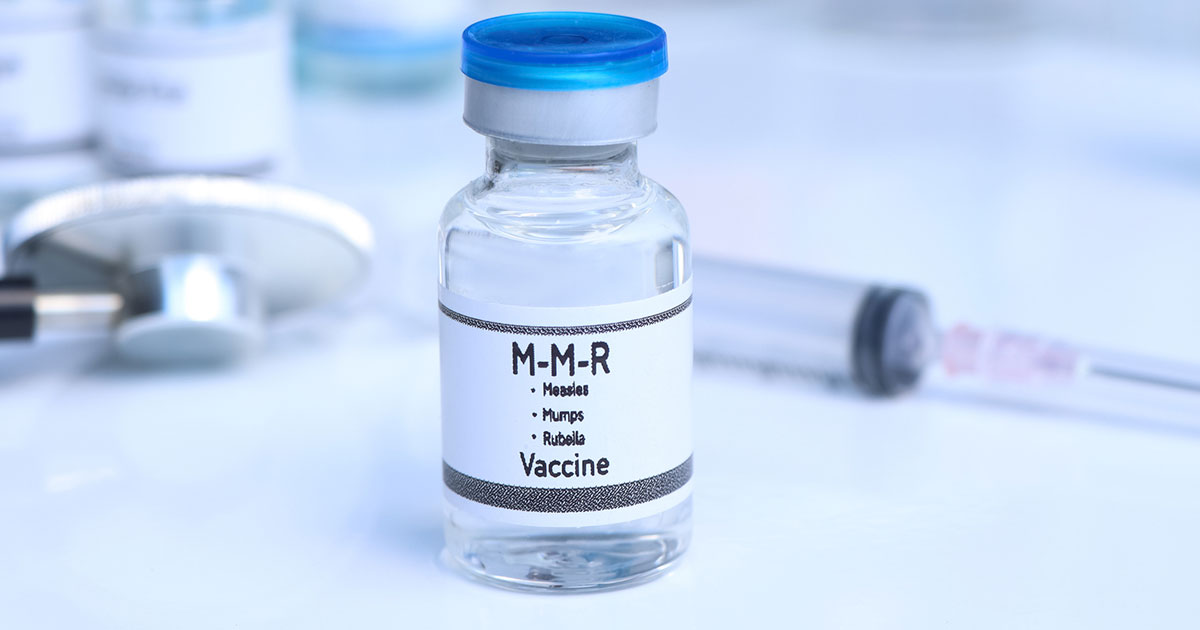
Three forms of the MMR vaccine are currently available in the United States:
- Muslims should use Priorix (MMR) for routine MMR vaccination.
- M-M-R II, ProQuad (MMRV), and Varivax are impermissible. They may only be used when no permissible alternative like Priorix is available, varicella vaccination is required, and in cases of medical necessity.
Summary of the Four Diseases[1]
Measles
- Morbidity & Mortality (Pre-vaccine U.S.): Annually, there were an estimated 3–4 million infections, 48,000 hospitalizations, and 400–500 deaths. Approximately 1,000 cases led to encephalitis.
- Risk of Spread (Current): Measles remains among the most contagious diseases known; it typically infects up to 90% of susceptible close contacts. Recent U.S. outbreaks in 2025 have recorded rising case counts, including significant hospitalization and fatality numbers—all primarily among unvaccinated individuals.
Mumps
- Morbidity & Mortality: Although generally milder, mumps can lead to serious complications such as orchitis, meningitis, encephalitis, and hearing loss. Deaths are rare, but elevated risks exist in complicated cases.
- Risk of Spread: Transmission occurs through respiratory droplets and close contact. Outbreaks persist in under-vaccinated settings, notably among school and university populations.
Rubella
- Morbidity & Mortality: Rubella typically causes mild symptoms in healthy children and adults. However, infection during pregnancy—especially in the first trimester—can cause congenital rubella syndrome (CRS), resulting in severe congenital defects or fetal loss.
- Risk of Spread: Though less contagious than measles, rubella can spread in communities with low immunization rates, risking CRS resurgence.
Varicella (Chickenpox)
- Morbidity & Mortality (Pre-vaccine U.S.): Annually, the U.S. experienced over 4 million cases, leading to roughly 10,500–13,500 hospitalizations and 100–150 deaths.
- Risk of Spread: Varicella is highly transmissible, especially via aerosols or direct contact. Before routine vaccination, household transmission rates exceeded 90%, and severe outcomes were frequent. Even today, in communities where vaccination declines, rapid spread and serious disease remain concerns.
CDC Indications for Vaccination
According to the Centers for Disease Control and Prevention (CDC), MMR vaccination is part of the routine childhood immunization schedule:
- Children:
- First dose at 12–15 months
- Second dose at 4–6 years (before school entry).
- The second dose may be administered earlier, at least 28 days after the first.
- MMRV (ProQuad) can be given up to 12 years of age, though the CDC recommends separate MMR and varicella vaccines for the first dose in children 12–47 months old unless parents specifically request MMRV.
- Adolescents and Adults:
- Should be up to date with one or two doses (depending on risk factors), unless they have other evidence of immunity.
- Vaccination is especially important for healthcare professionals, international travelers, and other high-risk groups.
- For most adults, one dose or other evidence of immunity is sufficient.
- Routine catch-up of a second dose in adults is not recommended in the United States outside of outbreak settings.
Vaccines Available in the United States
1. M-M-R II (MMR-only)
- Manufacturer: Merck
- Ages: 12 months and older
- Contains: Live attenuated measles, mumps, and rubella viruses; sorbitol, sucrose, recombinant human albumin, fetal bovine serum, neomycin, and hydrolyzed gelatin (impermissible).
2. ProQuad (MMRV)
- Manufacturer: Merck
- Ages: 1–12 years
- Contains: The viral components of M-M-R II plus live attenuated varicella virus. Also includes sucrose, sorbitol, recombinant human albumin, bovine calf serum, and hydrolyzed gelatin (impermissible).
3. Priorix (MMR-only)
- Manufacturer: GlaxoSmithKline
- Ages: 12 months and older
- Contains: Live attenuated measles, mumps, and rubella viruses; lactose, sorbitol, amino acids, mannitol, residual amounts of neomycin sulfate, ovalbumin, and bovine serum albumin. No gelatin (permissible).
Discussion and Recommendations
Viruses Propagated in Chicken Embryo and Human Cells
All three vaccines use live attenuated viruses grown in either chicken embryo fibroblasts or human diploid cells (MRC-5 or WI-38). Although the host cells themselves are impure or impermissible to use, the viral particles are considered distinct and pure[2]. The ruling of impermissibility does not transfer to the viruses.
Residual Medium and Cellular Material
Small amounts of host-cell proteins, bovine serum albumin, and fetal serum remain in the final products despite multiple washings. As explained in prior rulings, such residual impurities are overlooked in Islamic law, as they are negligible and unavoidable[3].
Gelatin-Containing Vaccines
A critical distinction must be made between residual impurities and intentionally added ingredients. Gelatin in M-M-R II, ProQuad, and Varivax is added in significant amounts as a stabilizer, and it is derived from impermissible animal sources, most likely porcine.[4] This renders these vaccines impermissible for Muslims.
Permissible Options
- Priorix is free of impermissible ingredients and therefore permissible.
- M-M-R II and ProQuad are impermissible, except in cases of medical necessity where varicella vaccination is required (as Varivax, the sole varicella-only vaccine, also contains gelatin)[5].
[1] CDC References
Measles – Pre-Vaccine Morbidity and Mortality
Measles – Contagiousness & Recent U.S. Cases
Varicella – Pre-Vaccine Impact (1990s cases, hospitalizations, deaths)
Varicella – Decline in Severe Disease, Hospitalizations, Deaths, and Current Annual Rates
Mumps – Transmission and Clinical Severity Overview
[CDC Pink Book, Chapter on Mumps]
Rubella – Risks in Pregnancy and CRS
[2] See discussion: https://muslimmed.org/2021/02/03/viral-vector-page/
[3] See position statement: https://muslimmed.org/2023/11/21/position-statement/
[4] “Gelatin contained in most vaccines is porcine in origin.” https://www.chop.edu/vaccine-education-center/vaccine-safety/vaccine-ingredients/gelatin?utm_source=chatgpt.com
[5] See discussion: https://muslimmed.org/2019/11/13/an-islamic-basis-for-the-use-of-vaccines-with-impermissible-ingredients/
 muslimmed.org